

River Cruise: The Forgotten Royal city of Wiang Kum Kam

River Cruise: The Forgotten Royal city of Wiang Kum Kam
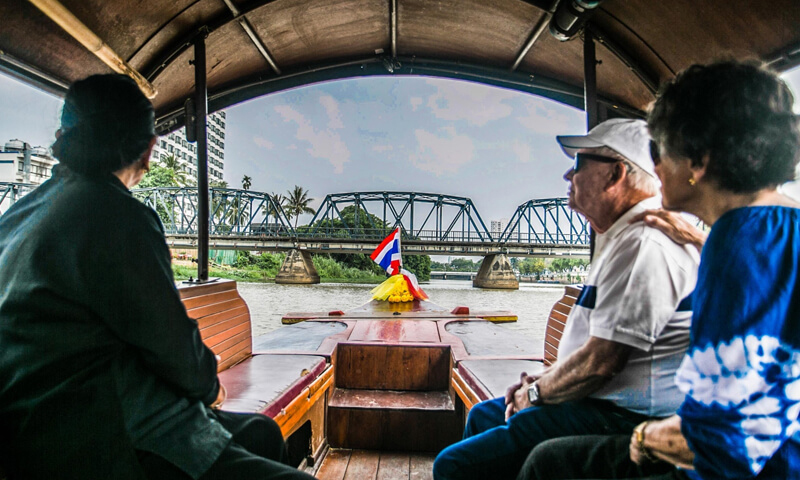
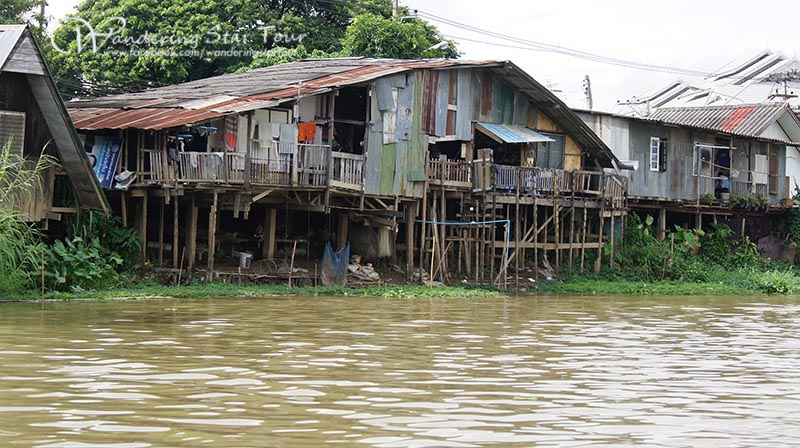
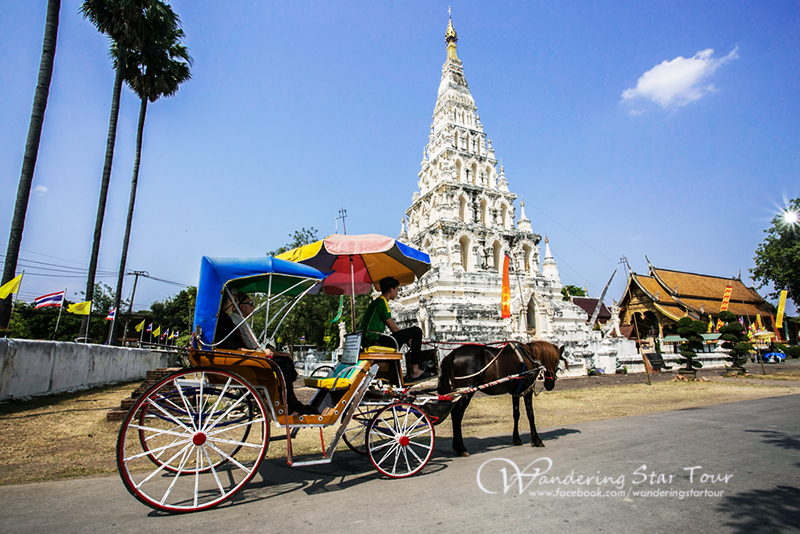
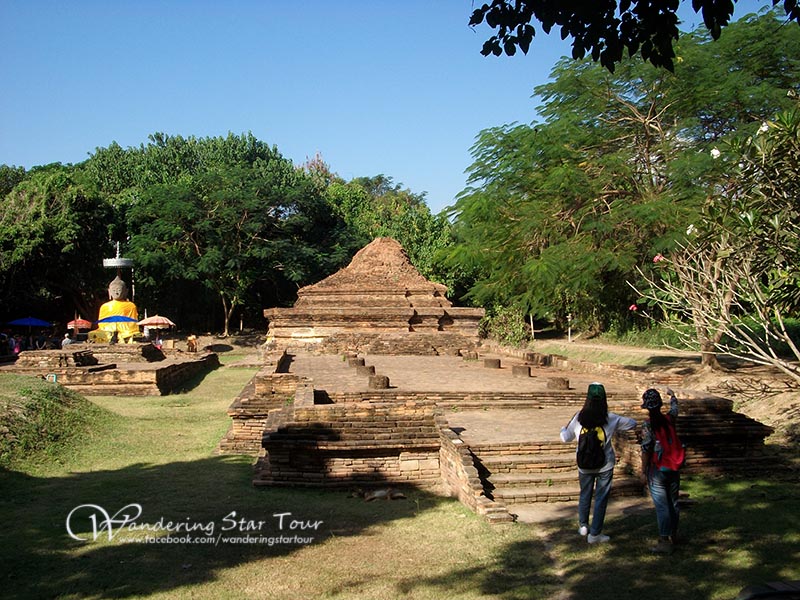
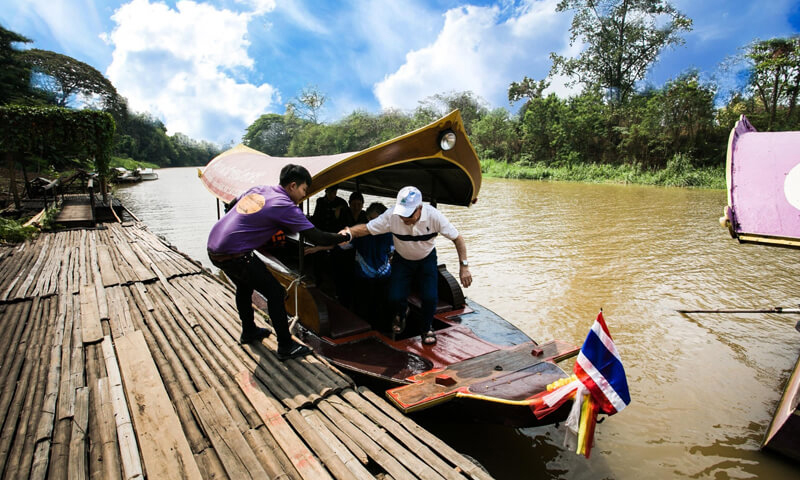
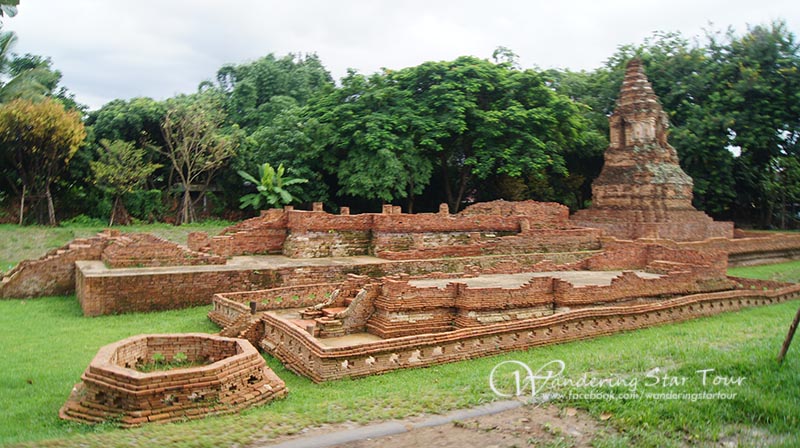
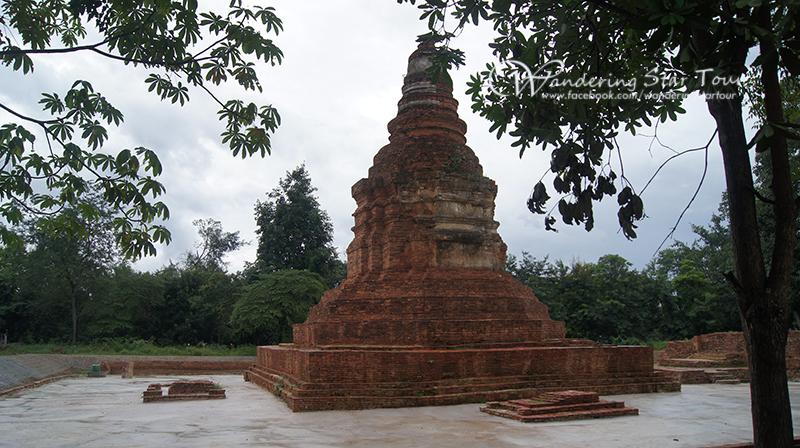
Take a river Cruise and see Chiang Mai from the river. Leave the city behind and relax awhile, carried along the cool waters of the Mae Ping River Ping. Have a good change to ride horse carriage to view six historical temple remains at Wiang Kum Kam the Ancient Underground City” The first capital of Lanna.
We depart from the jetty at Wat Chai Mongkol and head north out of the city. As we leave the urban landscape behind, the river gradually reveals its authentic rural character. The boat continues its journey towards its final destination, the "Thai Farmer's House." Agriculture remains Thailand's primary source of income, and here, visitors can witness the essential elements — rice, local herbs, fruits, and fishing — flourishing in an environment free from harmful chemicals.
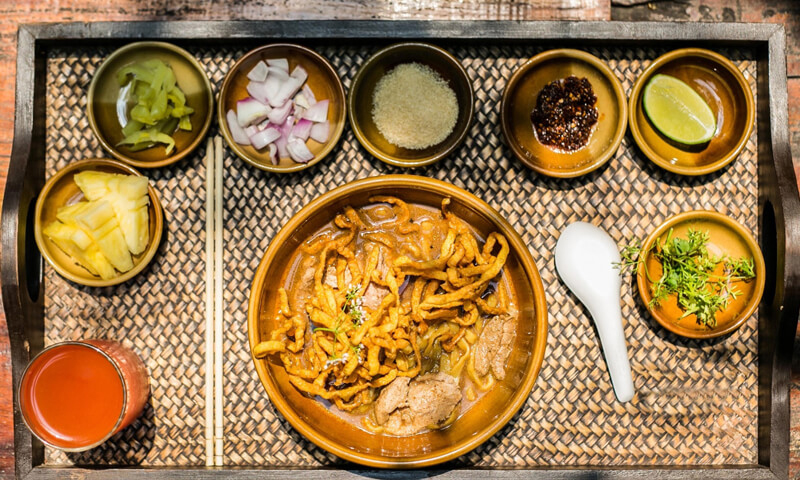
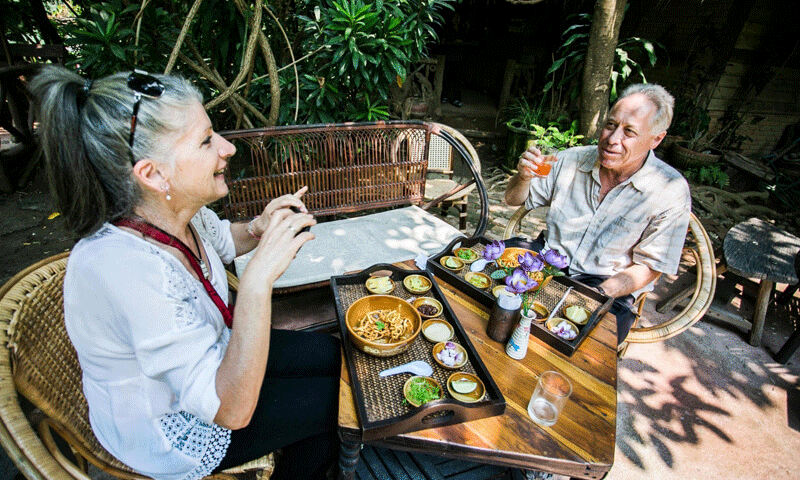
Sit down and relax while enjoying a refreshing fruit or herb juice, along with a plate of freshly prepared mixed fruit, which is included in the price of your two-hour excursion. Have lunch with the signature dish of this region, called "Khao Soi." Here at the "Thai Farmer's House," the dish is prepared according to a special recipe that highlights the mild and creamy curry soup's unique flavor. A carefully curated selection of side dishes complements the main ingredients of the meal.
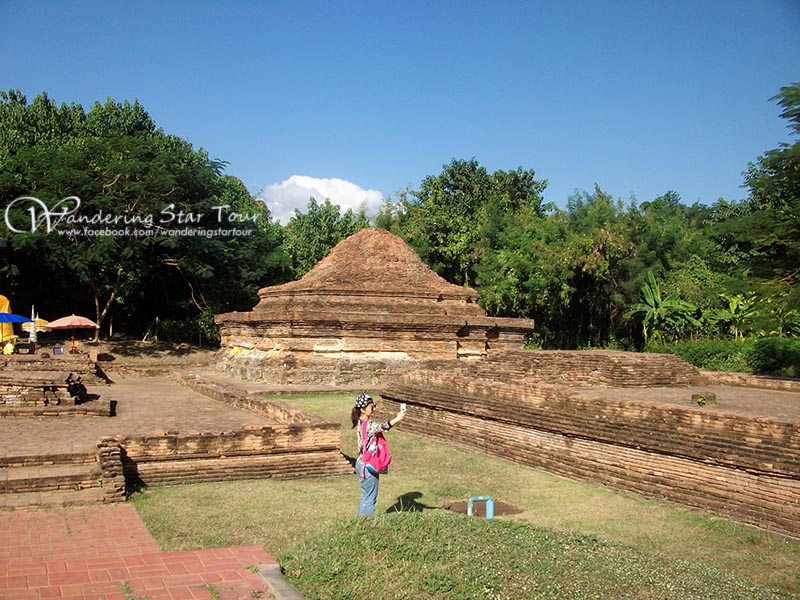
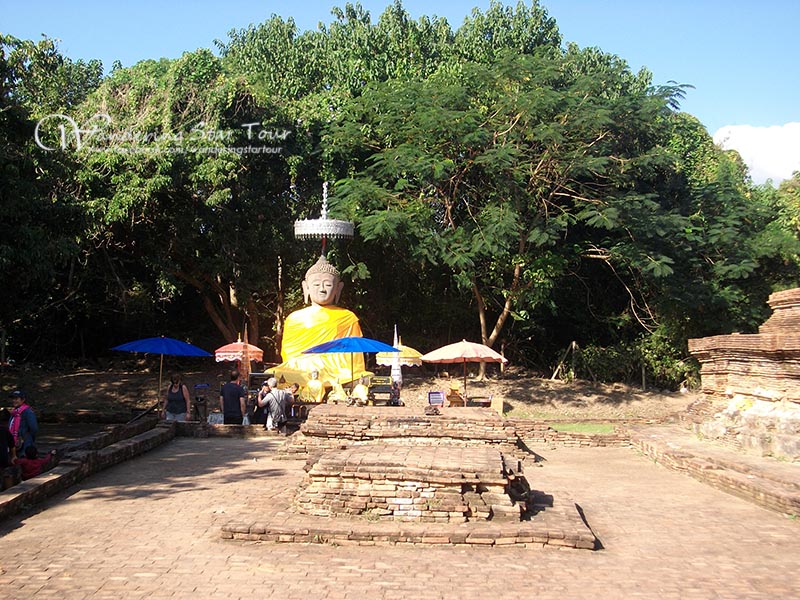
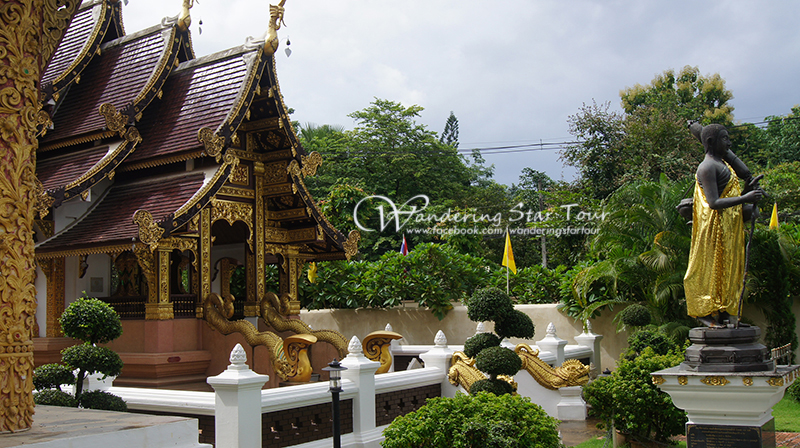
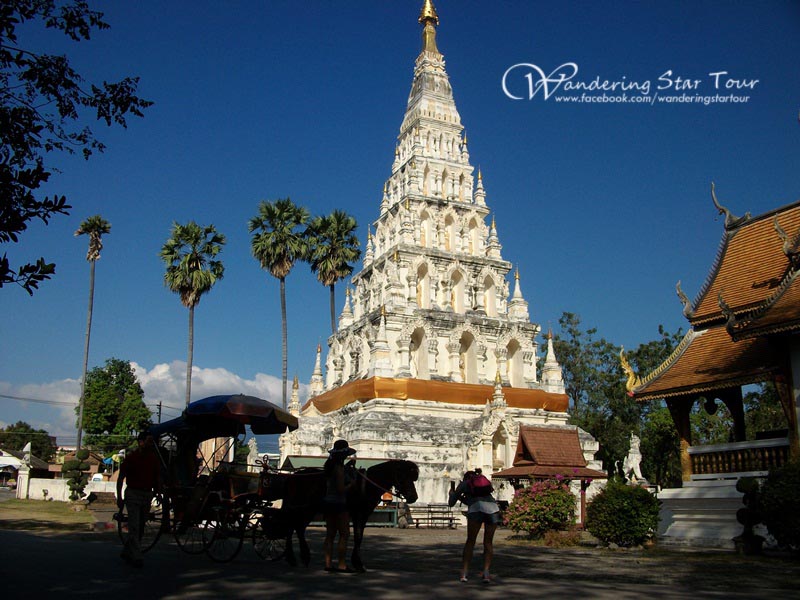
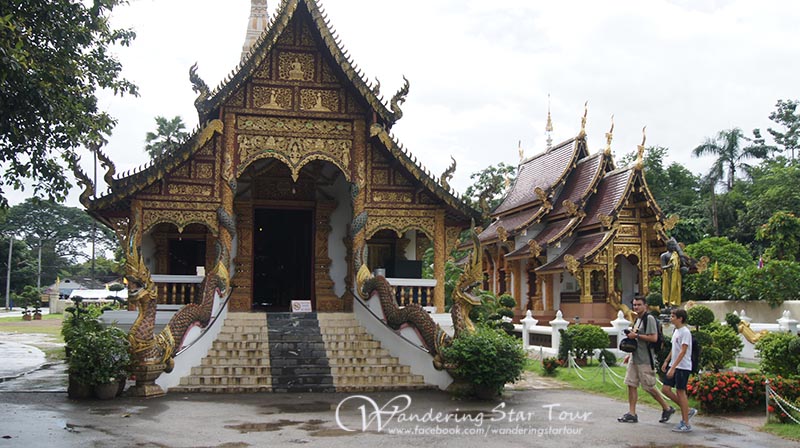
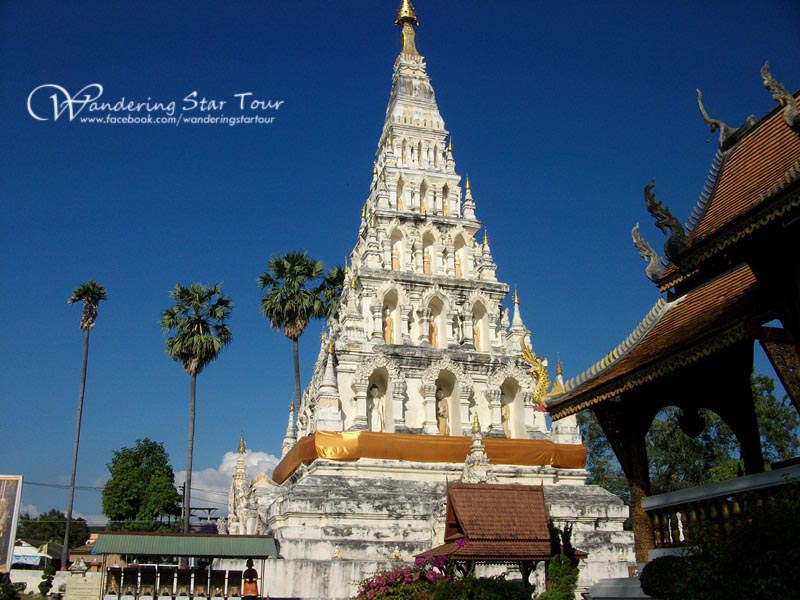
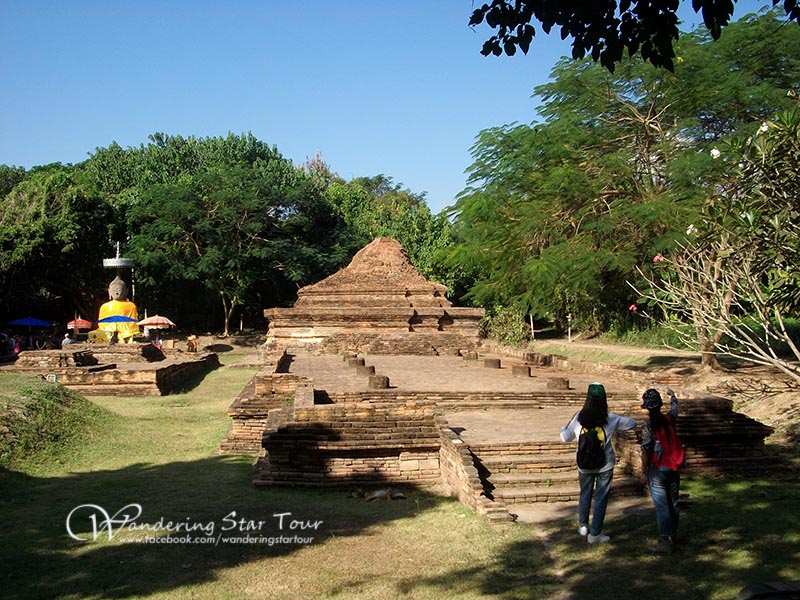
Wiang Kum Kam was established as the pivotal riverside trading hub of his kingdom by King Mengrai, after severe flooding over took a previous site. A moat was dug around all four sides of the city and an extensive royal Palace was built. Then priority was given to construction of a market – place. Many boats converged on the city for purposes of trade. Pleased, King Mangrai ordered the building of imposing Kuu Kham temple (Wat Jedee Liam) for public veneration. Power-seeking expeditions by the king led to peace offerings from neighbouring states: firstly, a beautiful royal bride and then came hundreds of expert crafte-men –goldsmiths,bronzesmiths, ironsmiths, etc. In thanks for this good fortune, significant temples were built.
Highlights:
• Visit “Wiang Kum Kam, the Ancient Underground City” - The first capital of Lanna
• Enjoy a pleasant boat journey along the Mae Ping River (Shared boat ride with other passengers)
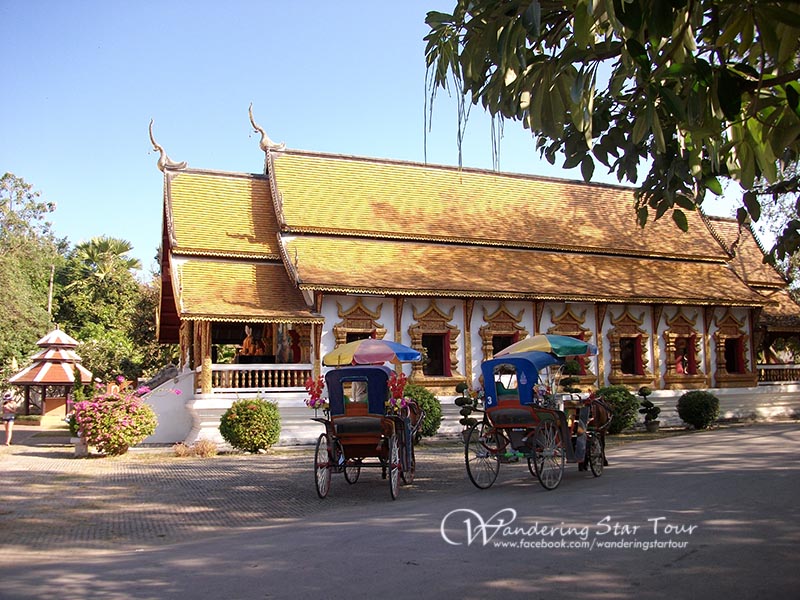
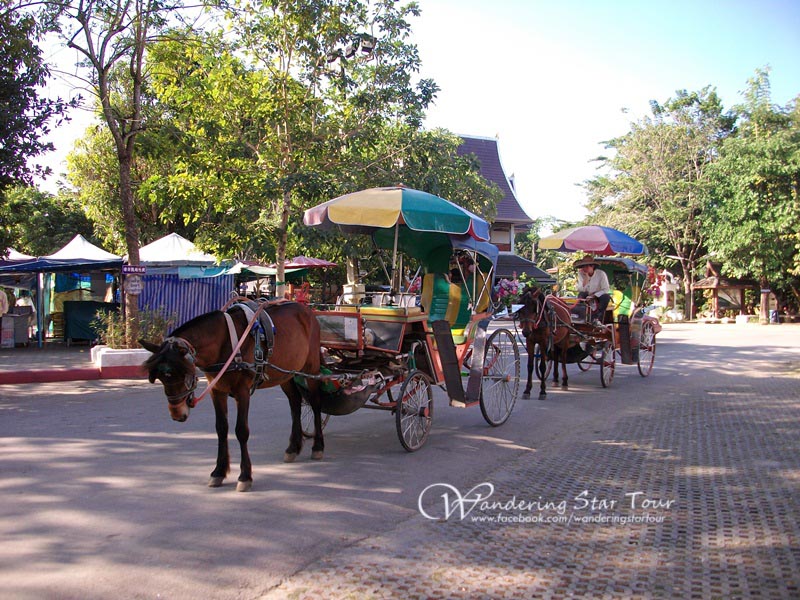
• Take a Horse and carriage ride to explore historical temple ruins.
River Cruise Itinerary:
• Take a river Cruise and see Chiang Mai from the river. Leave the city behind and relax awhile, carried along the cool waters of the Mae Ping River Ping.
• Have Lunch with ‘’Khao Soi." Here at the "Thai Farmer's House," the dish is prepared according to a special recipe that highlights the mild and creamy curry soup's unique flavor. A carefully curated selection of side dishes complements the main ingredients of the meal.
• Have a good change to take a Horse and carriage ride to explore historical temple ruins at Wiang Kum Kam, the Ancient Underground City” - The first capital of Lanna
Inclusions:
• Pick up and drop off at hotel in the city center
• English Speaking Tour Guide
• All listed activities
Price: 2,900 baht per person (Minimum 2 pax)) (More than 2 persons please contact us for special price.)
Photo Gallery
|
|
|
|
|
|
|
|
|
|
|
|
|
|
|
|
|
|